Ripening Management
Controlled ripening involves using ethylene gas in a ripening room at temperatures between 15°C and 20°C with proper humidity. Managing CO₂ levels and ventilation is crucial to avoid uneven ripening and off-flavors.
Transportation Guidelines
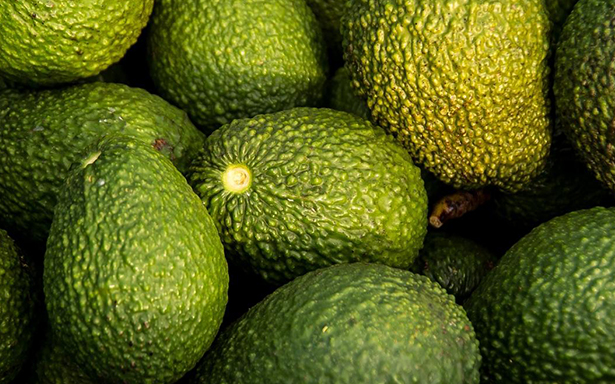
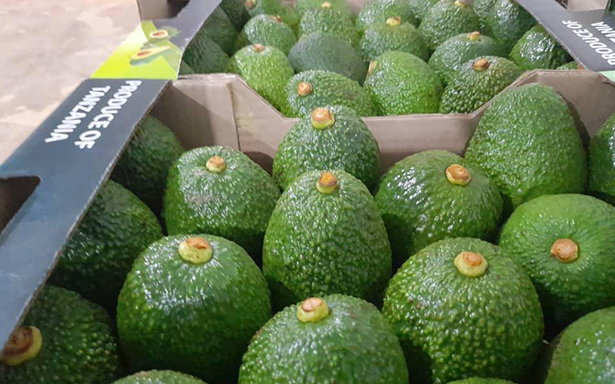
Avocados should be transported in temperature-controlled environments to prevent exposure to excessive heat or cold. Proper stacking methods should be used to avoid pressure damage, and vibrations should be minimized to reduce bruising.

Quality Maintenance
Regular inspections should be conducted to ensure avocados remain in good condition throughout the supply chain. Any signs of decay, mold, or shriveling should be addressed immediately. Proper air circulation in storage and transportation helps maintain freshness.
Pest and Disease Control
Avocados are susceptible to fungal infections and pests like fruit flies. Proper field sanitation, post-harvest fungicide treatments, and cold storage help reduce the risk of contamination. Careful monitoring prevents the spread of diseases during storage and transit.
Market Preparation and Consumer Handling
Avocados should reach consumers at the right ripeness stage, with clear labeling indicating ripeness levels. Retailers should store avocados in well-ventilated areas, and consumers should be advised on proper storage and ripening techniques to ensure the best eating experience.
Contacts
Feel free to get in touch with us for more info
Get In Touch
Our dedicated team is ready to listen to you and assist you in whatever you need